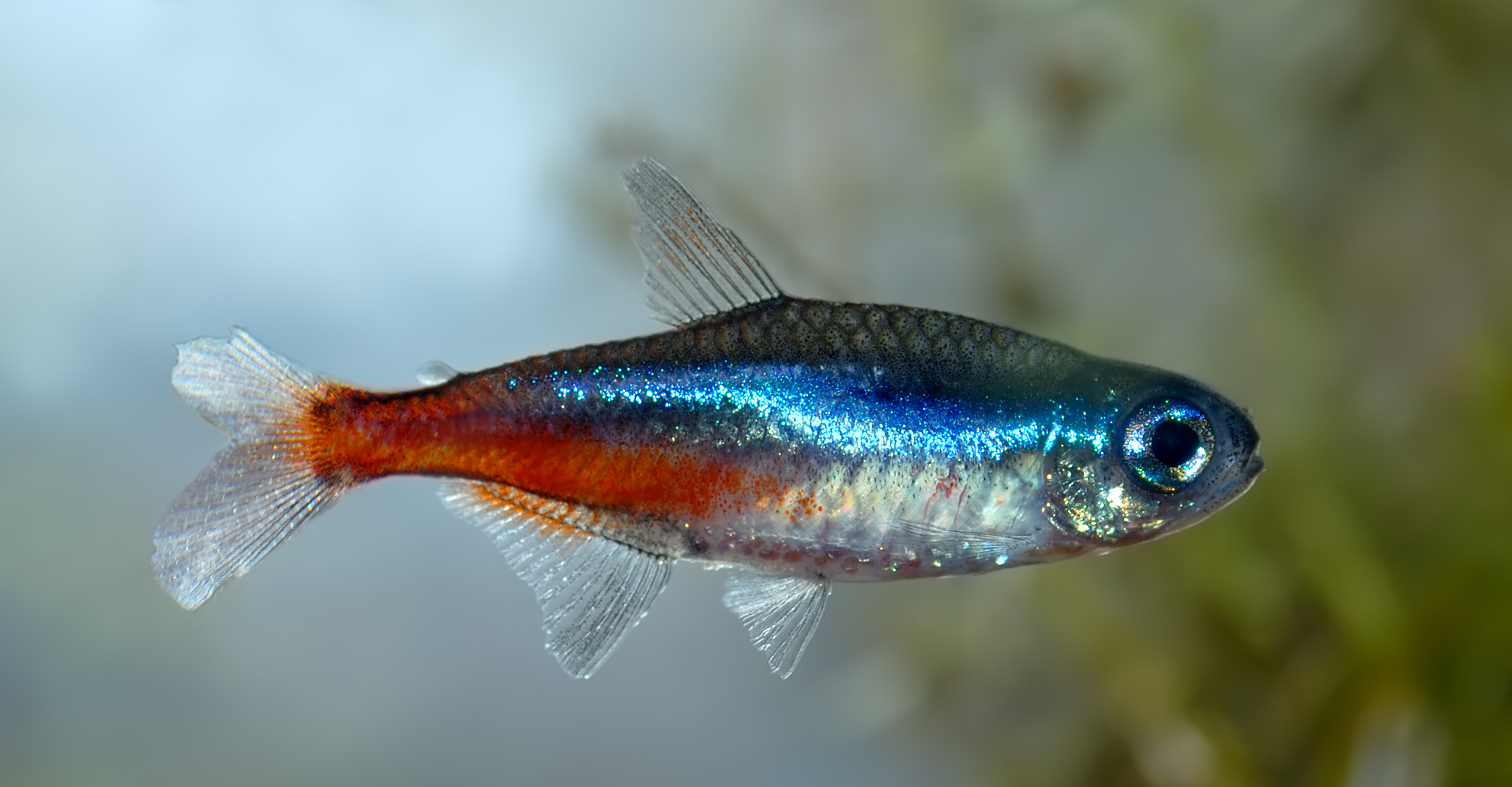
Live plants change the character of a freshwater aquarium. They absorb nitrate and ammonia directly, outcompete algae for nutrients, release oxygen during daylight hours, and give fish natural cover that reduces stress. A heavily planted tank is also more forgiving — the biological buffer plants provide means water parameters shift more slowly when something goes wrong.
The catch is that plant selection matters. Some species need injected CO₂ and high-intensity lighting to grow properly. Others thrive under a standard LED panel with no CO₂ at all. Starting with the wrong species leads to melting plants, algae outbreaks driven by unused nutrients, and frustration. The species below are documented low-tech performers.

The difference between rhizome plants and rooted plants
Understanding this distinction prevents the most common beginner mistake: burying the wrong part of the plant.
Rhizome plants — Java fern, Anubias, Bucephalandra — have a horizontal stem called a rhizome from which both roots and leaves grow. The rhizome must remain above the substrate. Burying it causes rot within days. These plants are attached to hardscape (wood or rock) using thread or aquarium-safe glue, or wedged into a crevice. Their roots anchor themselves over time.
Rooted plants — Amazon sword, Vallisneria, cryptocorynes — pull nutrients primarily through their root system. They need substrate that retains nutrients: either a dedicated aquatic soil (such as ADA Aqua Soil, Aquael Shrimp Set Soil, or Tropica Aquarium Soil), or an inert substrate like sand or gravel supplemented with root tabs. Root tabs are small fertiliser capsules pushed into the substrate near the roots every 6–8 weeks.
Java fern (Microsorum pteropus)
Java fern is probably the most forgiving aquarium plant available. It tolerates a wide pH range (6.0–8.0), grows under low to moderate lighting, requires no injected CO₂, and manages in both soft and hard water. New plants spread via runners and through black plantlets that form on the undersides of mature leaves.
Growth rate is slow — expect 1–2 new leaves per month under low light, faster with moderate lighting and a liquid fertiliser. The plant does not need nutrients in the substrate; liquid fertilisers added to the water column are enough. Java fern is one of the few plants tolerated by cichlids and goldfish that typically uproot or eat softer plants.
Anubias (Anubias barteri and varieties)
Anubias grows even more slowly than Java fern — sometimes one leaf per month under low light — but survives conditions that would kill most other plants. It tolerates very low light, a wide pH and hardness range, and temperatures from 22°C to 28°C. The thick, waxy leaves resist damage from fish that bite or uproot plants.
Anubias nana is the most compact variety and suits tanks from 30 litres upward. Anubias barteri grows larger and works in midground positions. Anubias congensis produces long narrow leaves suitable for tall tanks. All must be attached to hardscape rather than buried.
Algae on Anubias leaves
Because Anubias grows slowly, algae — particularly green spot algae and black beard algae — accumulate on older leaves over time. Manual removal with a toothbrush, reducing the photoperiod to 6–7 hours, and adding fast-growing plants to compete for nutrients all reduce the problem. Amano shrimp (Caridina multidentata) consume some algae types from leaf surfaces.
Amazon sword (Echinodorus bleheri)
Amazon sword is a rooted plant that grows large — up to 50 cm tall in a mature tank — making it suitable as a background plant in tanks 60 cm or longer. It does best with nutrients available in the substrate (aquatic soil or root tabs), moderate lighting of 0.5 watts per litre or more, and a temperature of 22–28°C.
Under reasonable conditions, Amazon sword grows fast enough to absorb significant nitrate and helps prevent algae by competing for the same nutrients. It produces runners along horizontal stems from which new plants develop and can be detached once several leaves form.
Hornwort (Ceratophyllum demersum)
Hornwort is one of the fastest-growing aquarium plants and is available from virtually every aquarium shop in Poland. It can be planted loosely in substrate or left floating. Under strong light it grows several centimetres per day and absorbs ammonia and nitrate at a rate that supplements the biological filter during cycling.
The tradeoff is shedding: hornwort drops its needle-like leaves when moved, when lighting changes, or when nutrients are low. These fine needles pass through filter intakes and accumulate in gravel. Despite this, hornwort remains a practical choice for newly set-up tanks where fast nutrient uptake helps stabilise water chemistry.
Floating plants
Floating plants — Salvinia natans (native to Poland and legally collectable from natural water bodies), frogbit (Limnobium laevigatum), and water lettuce (Pistia stratiotes) — reduce light reaching lower layers, which benefits low-light plants like Anubias below them. Their roots hang into the water column and absorb ammonia directly, which makes them disproportionately effective at removing nitrogen compounds relative to their size.
Floating plants grow fast under good surface circulation and light. Trim them regularly to prevent complete surface coverage, which would cut light to lower plants and deplete oxygen at night when photosynthesis stops.
| Species | Light requirement | CO₂ needed | Substrate type | Ideal position |
|---|---|---|---|---|
| Java fern | Low–moderate | No | Attached to hardscape | Midground, background |
| Anubias nana | Low | No | Attached to hardscape | Foreground, midground |
| Amazon sword | Moderate | No | Nutrient substrate or root tabs | Background |
| Hornwort | Moderate–high | No | Floating or loose | Background, floating |
| Salvinia natans | Moderate–high | No | Floating | Surface |
Lighting duration and algae control
New planted tanks frequently develop algae within the first 4–6 weeks. This is partly because plants are establishing root systems and absorbing nutrients slowly, leaving excess nutrients available for algae. A 6-hour photoperiod during the first month, increasing to 8 hours once plants are visibly growing, reduces algae pressure significantly. A timer prevents the irregular photoperiods that cause brown algae outbreaks.
For external references, the Tropica plant database provides detailed care parameters for hundreds of aquatic species and includes difficulty ratings useful for beginners.
Related reading: How to cycle a freshwater aquarium — establishing beneficial bacteria before introducing fish and plants together.